Why the cleaning method depends on the material
Plantation shutters look like a uniform category from a distance — panels, louvres, hinges — but the three main materials respond very differently to cleaning, and getting this wrong is the single most common cause of avoidable shutter damage in UK homes.
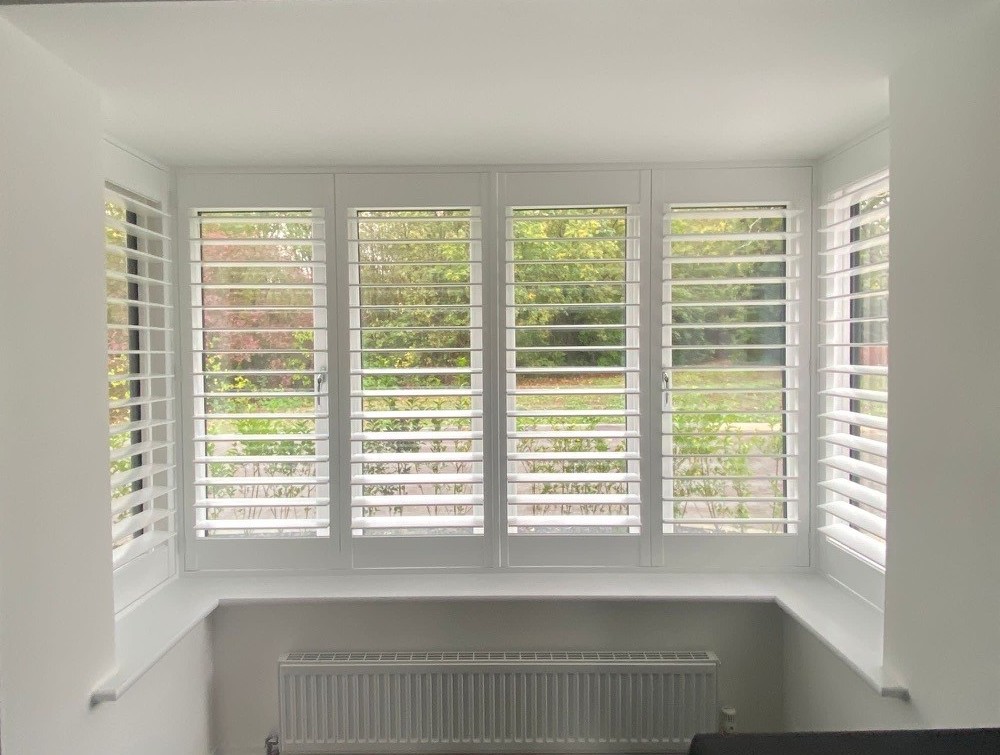
Mimeo composite shutters have a solid polymer core with a factory-finished PVC shell. There is no wood fibre in the panel, which means water cannot be absorbed, and the surface is genuinely tolerant of regular damp cleaning, mild detergents, and even the firm wiping needed to cut kitchen grease. For a full overview of composite as a material, see our Mimeo composite shutters guide.
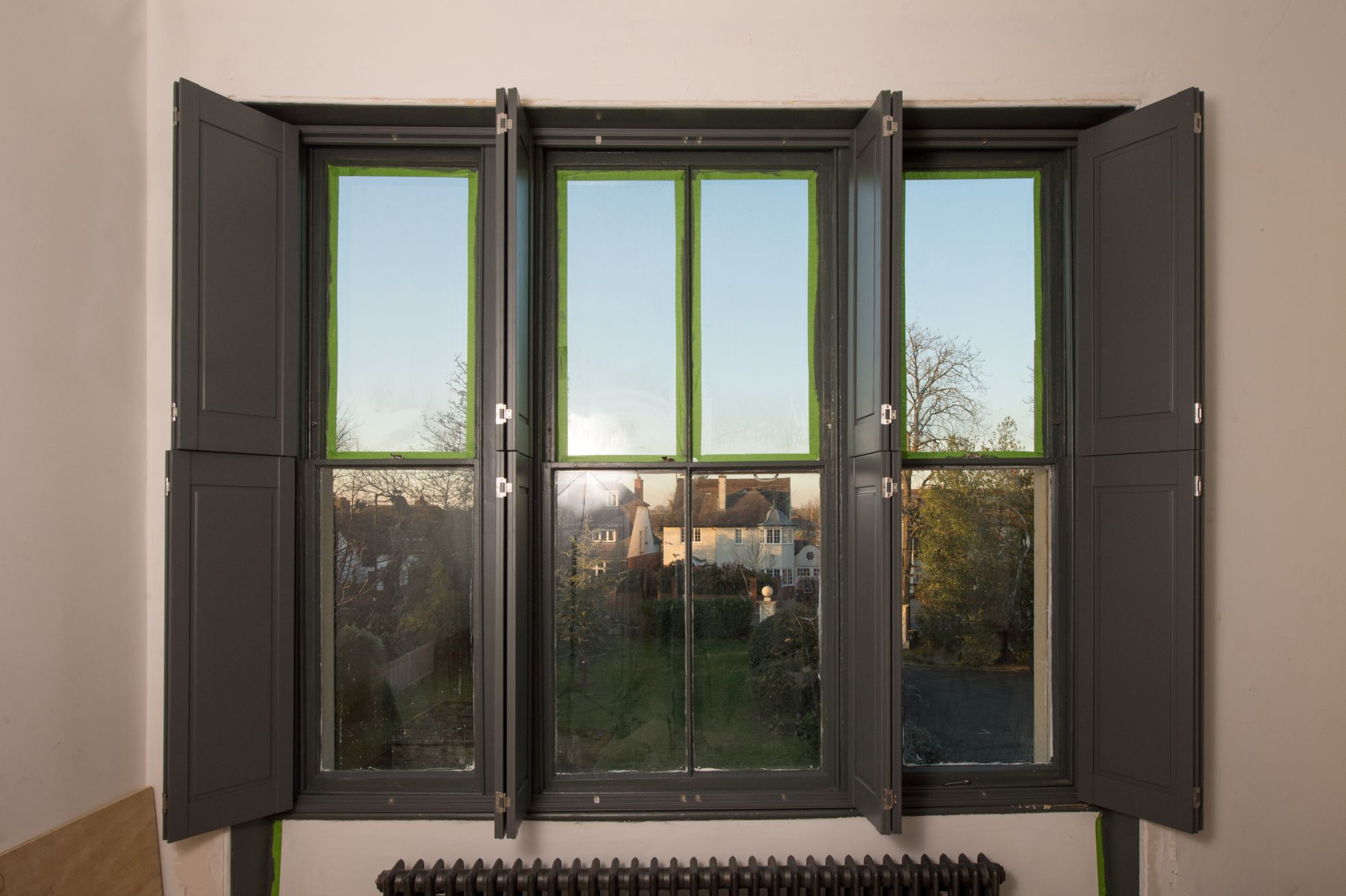
Endura painted hardwood shutters have an organic core that can absorb moisture if it penetrates the paint surface. Pooling water at panel joints is the primary cause of joint swelling and eventual paint cracking — both avoidable with the correct cleaning technique. The paint surface itself is durable and tolerates wiping; the weak points are the joints at the frame and the louvre hinge pins. For more on the Endura material and finish, see our Endura wood shutters guide.
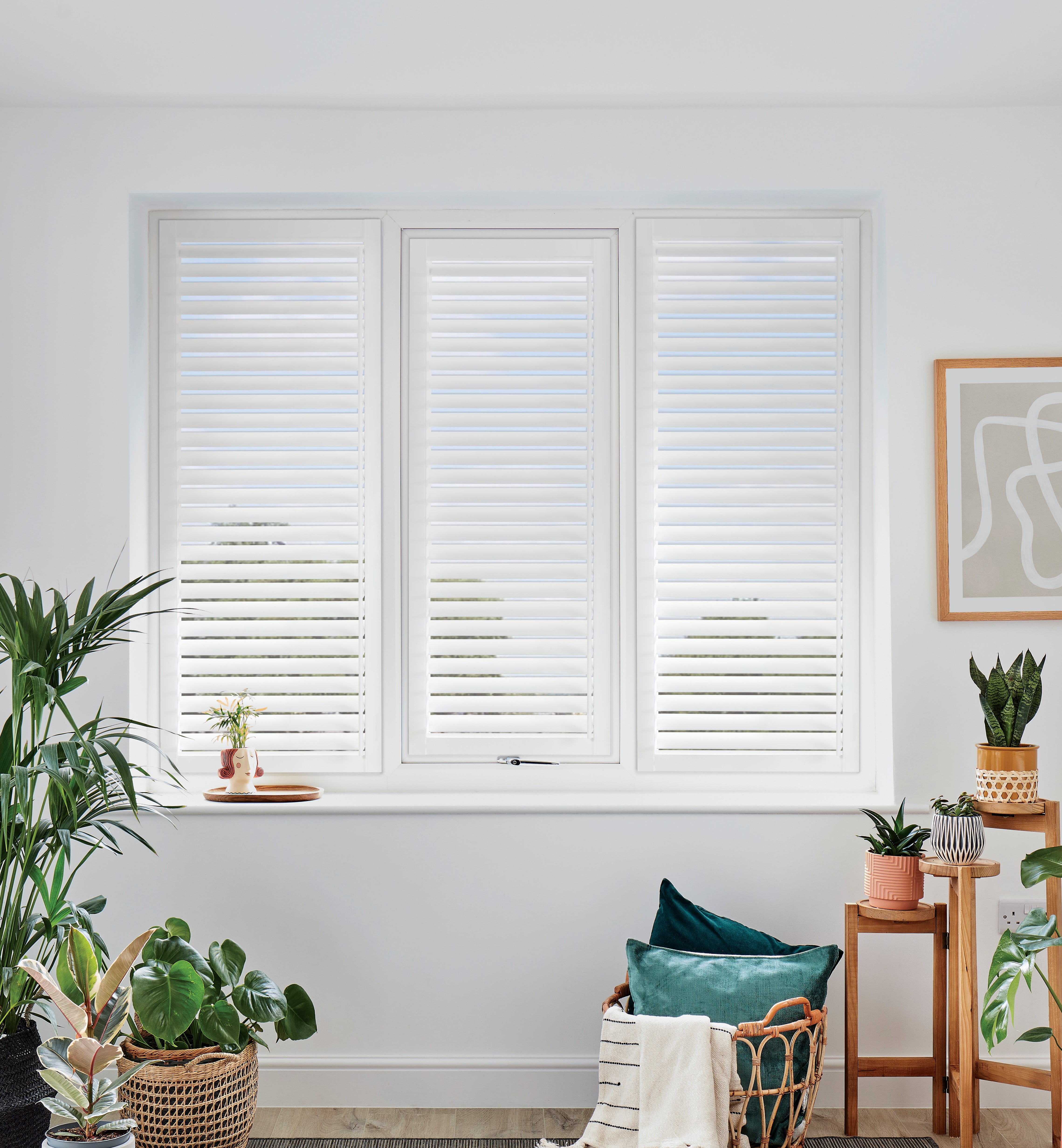
Dura aluminium shutters are the most cleaning-tolerant of all three materials. The aluminium frame and panels are unaffected by water, mild chemicals, and firm wiping. The only consideration is the louvre pivot points and the track system hardware on wide-span installations, which benefit from a dry wipe rather than a damp one to clear dust from the track channel.
Routine dusting — the weekly approach that prevents build-up
For all three materials, routine dusting is the most important cleaning habit — and the one most often skipped. Dust on plantation shutters is not simply a cosmetic issue: it accumulates on the louvre surfaces, settles into the hinge points, and makes the louvre-tilt rod increasingly stiff over months of build-up. A five-minute weekly dust prevents the deeper cleaning sessions that require more time and care.
The most effective routine dusting tool is a clean microfibre cloth folded to a flat pad. Run the cloth along each louvre working from top to bottom, applying consistent light pressure — enough to collect dust but not enough to tilt the louvre. For shutters with 63 mm or 76 mm louvres (the most common sizes in UK homes), a standard microfibre cloth covers the louvre face in a single pass.
Tilt the louvres to horizontal before dusting — cleaning at an angle misses the leading edge of the louvre and places uneven pressure on the tilt rod over repeated sessions.
- Microfibre cloth (flat pad, not bunched) — the most effective routine dusting tool for all shutter materials
- Soft-bristle paintbrush — useful for narrow-louvre shutters where a cloth cannot reach between panels
- Lamb's wool duster — acceptable for a quick once-over between thorough cleans
- Hand-held vacuum on the lowest setting with a soft brush attachment — effective for bathroom or kitchen shutters where dust mixes with airborne grease or steam residue
- Avoid: microfibre gloves that tilt louvres as you clean, feather dusters that redistribute rather than collect dust, and canned air that blows dust deeper into frame joints
Deep cleaning composite (Mimeo) shutters
For a thorough wash-down of composite shutters, mix a small amount of mild washing-up liquid with warm water — the solution should be soapy rather than sudsy. Dampen a microfibre cloth in the solution, wring it firmly until it is damp rather than wet, and wipe each louvre individually from top to bottom. Rinse the cloth and repeat with a clean, barely-damp cloth to remove soap residue. Finish with a dry cloth to lift any remaining moisture.
In kitchens, where airborne grease settles on every nearby surface, a mild washing-up liquid solution applied firmly cuts through the grease film without damaging the composite shell. Avoid concentrated kitchen degreasers with high solvent content — they strip the factory finish over time on any shutter material. Above or beside a hob, clean every two to three weeks to prevent grease hardening into a sticky layer that requires significantly more effort to shift.
Composite shutters in bathrooms tolerate more confident cleaning than any other shutter material. Steam, condensation, and occasional direct water contact cause no lasting damage. Wipe monthly with a damp cloth and mild soap, dry immediately, and the shutters will perform across their full service life. For more detail on moisture performance by material, see our waterproof shutters bathroom guide and our bathroom shutters moisture-proof solutions guide. For the room-specific picture, see our bathroom shutters page.
Cleaning painted hardwood (Endura) shutters
Hardwood shutters follow the same sequence — dry dust first, then a damp wipe only where needed — but the damp-wipe stage requires more care. Use the minimum moisture needed to shift the grime, and dry the louvres and joints immediately after wiping.
The risk area on hardwood shutters is the louvre-to-frame joint: the small gap where the louvre edge sits in the panel stile. If water pools here and is not dried promptly, it can work under the paint edge over months of repeated cleaning and cause the joint to soften. Running the cloth along the louvre face rather than pressing into the joint eliminates most of this risk in practice.
For marked or stained hardwood louvres, dampen a cloth with warm water and a minimal amount of mild soap. Wipe the affected area and follow immediately with a dry cloth. Do not allow pooling at the louvre tip or frame joints. For period properties with heritage-colour painted Endura shutters — where the colour match to existing skirting and architraves matters — careful drying avoids any risk of moisture tracking under the paint edge at trim joints. The Endura wood shutters guide covers the paint system and finish in detail.
Cleaning aluminium (Dura) shutters
Dura aluminium shutters are the easiest material to clean and tolerate the most confident wiping of any shutter type. A damp cloth with mild soap works on any surface build-up; the frame, panels, and louvres are unaffected by water exposure. The same mild soap-and-water solution used for composite applies here — wipe, rinse with a clean damp cloth, and dry.
The one area worth extra care is the track mechanism on wide-span Dura panel installations — the tracked systems used on bi-fold door openings and large patio doors. The track channel benefits from an occasional dry wipe to clear dust that accumulates and causes friction over time. Use a dry cloth along the track rather than a damp one; the mechanism contact points should not be exposed to sustained water. If the panels feel stiff during operation, lubricate the track with a dry silicone spray — avoid WD-40 and oil-based products on track hardware, which attract dust and become tacky.
Tackling problem stains
Most stain types on plantation shutters respond to a mild soap-and-water solution applied promptly and dried immediately. The method is consistent regardless of material: damp cloth, light pressure, dry at once. The most common specific cases encountered on UK shutters:
- Grease from cooking — mild washing-up liquid on a damp cloth, followed by a clean damp rinse cloth, then dry. For hardened grease, leave the soapy cloth resting on the louvre for 30 seconds before wiping to soften the deposit.
- Mould spots (most common on bathroom or kitchen shutters in poorly ventilated rooms) — one part white vinegar to three parts water on a damp cloth, applied and left for 60 seconds, then wiped and dried. Do not use bleach on any painted shutter surface — it degrades paint pigment over time and causes visible discolouration on both hardwood and composite.
- Crayon or felt-tip marks — on composite, a barely-damp cloth with mild soap removes fresh marks. Dried crayon may need a small amount of methylated spirit on a cotton bud applied precisely to the mark, followed by wiping clean. On hardwood, use the same approach with minimum solvent and dry immediately.
- UV yellowing on white shutters — this is a material-life indicator rather than a cleaning issue. No cleaning product reverses UV discolouration; it is more common on south-, east-, or west-facing windows with sustained direct sun. UV-filtering window film applied to the glass is the preventive measure — not more frequent cleaning.
The cleaning mistakes that damage shutters — and how to avoid them
Cleaning errors cause more shutter damage than natural wear in most UK homes. The mistakes below account for the majority of premature-failure calls we receive — and almost all are avoidable.
Using a steam cleaner is the most damaging approach across all three materials. Steam penetrates louvre joints faster than liquid water, carries more thermal energy into the joint, and causes swelling or finish damage that is difficult to reverse. Steam cleaners should not be used on any shutter type regardless of material.
Soaking the cloth so it transfers standing water to the panels is the second most common issue. Excess water pools at frame joints and louvre tips; on hardwood this accelerates joint softening, and on composite it creates water marks on the finish. Wring the cloth firmly before each wipe — damp, not wet, is the correct standard for every material on every clean.
Cleaning with the louvres angled rather than horizontal leads to incomplete coverage of the louvre face, uneven pressure on the tilt rod, and gradual loosening of the louvre-hinge pins over many cleaning sessions. Tilt every louvre to the horizontal position before starting any routine dust or damp wipe.
Browse the full Shutters Factory product range for material specifications and maintenance guidance before purchasing — or book a free home survey to discuss which material and style best suits your rooms and cleaning routine. A surveyor can advise on long-term care at the same visit, at no charge.