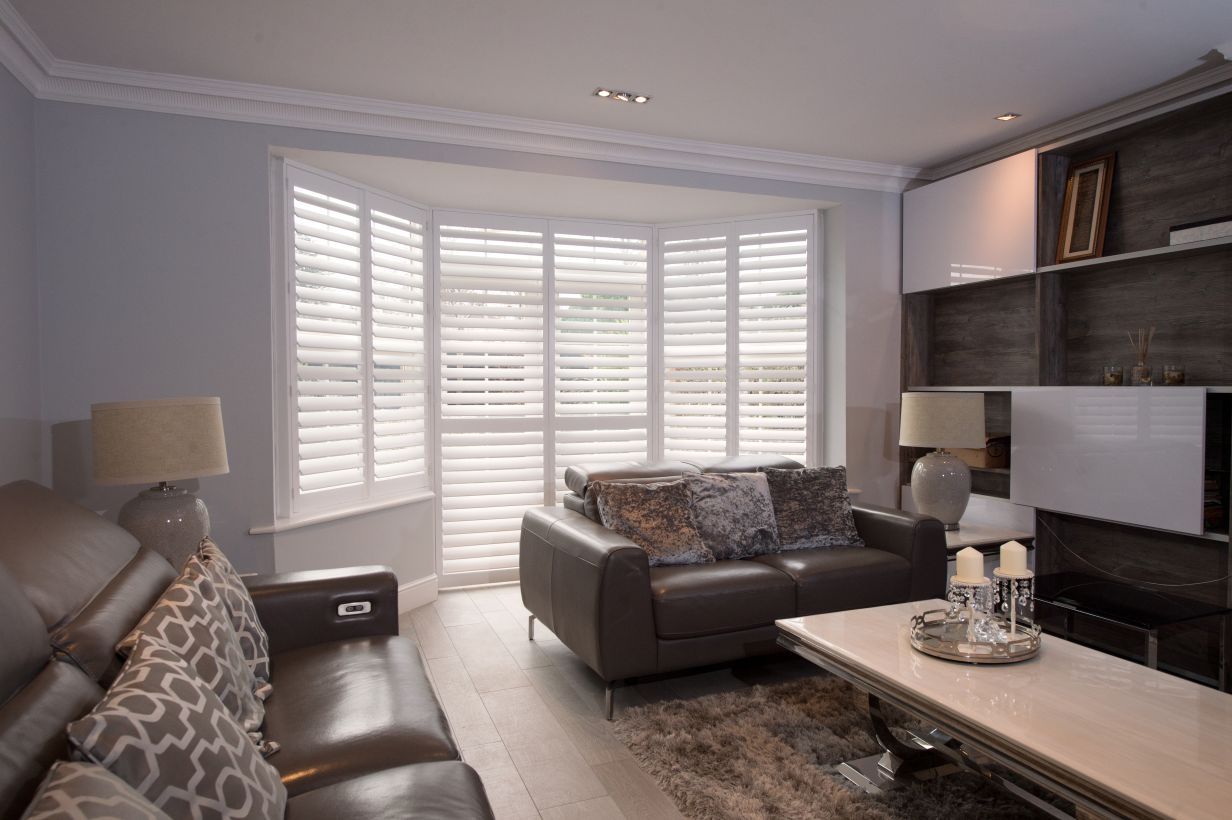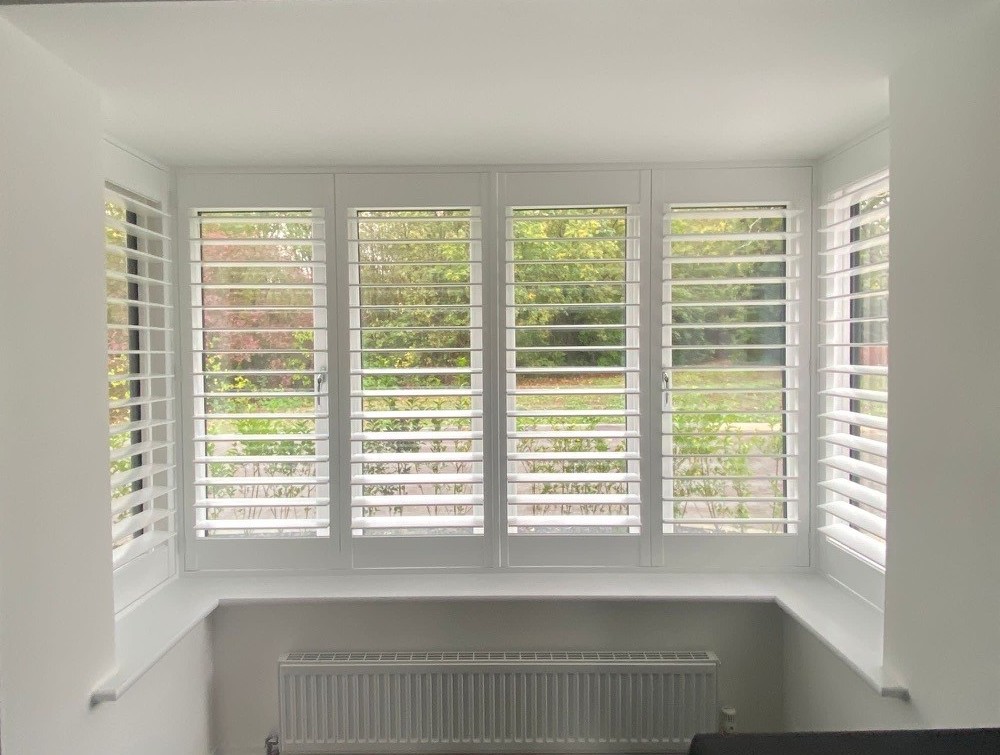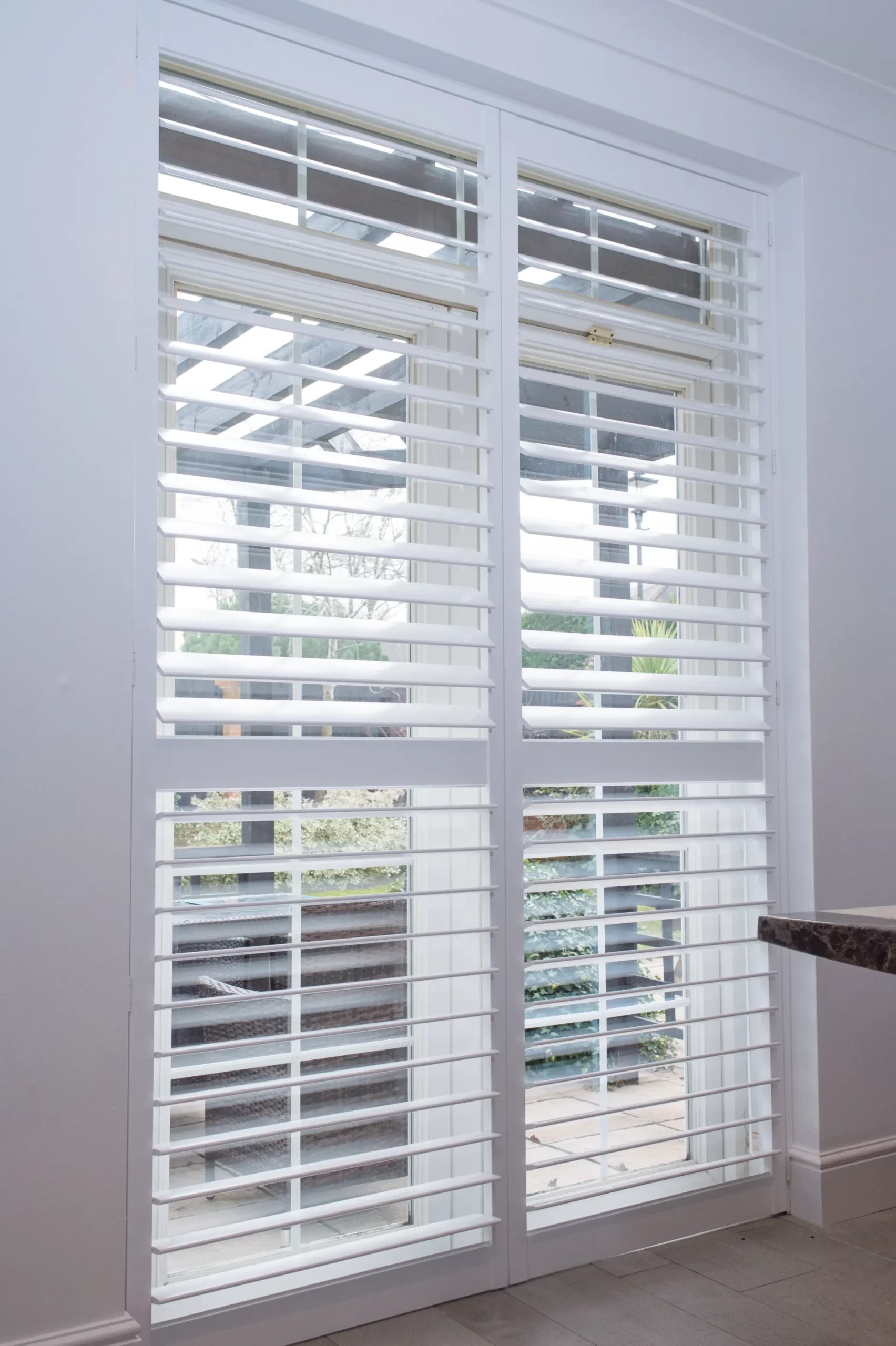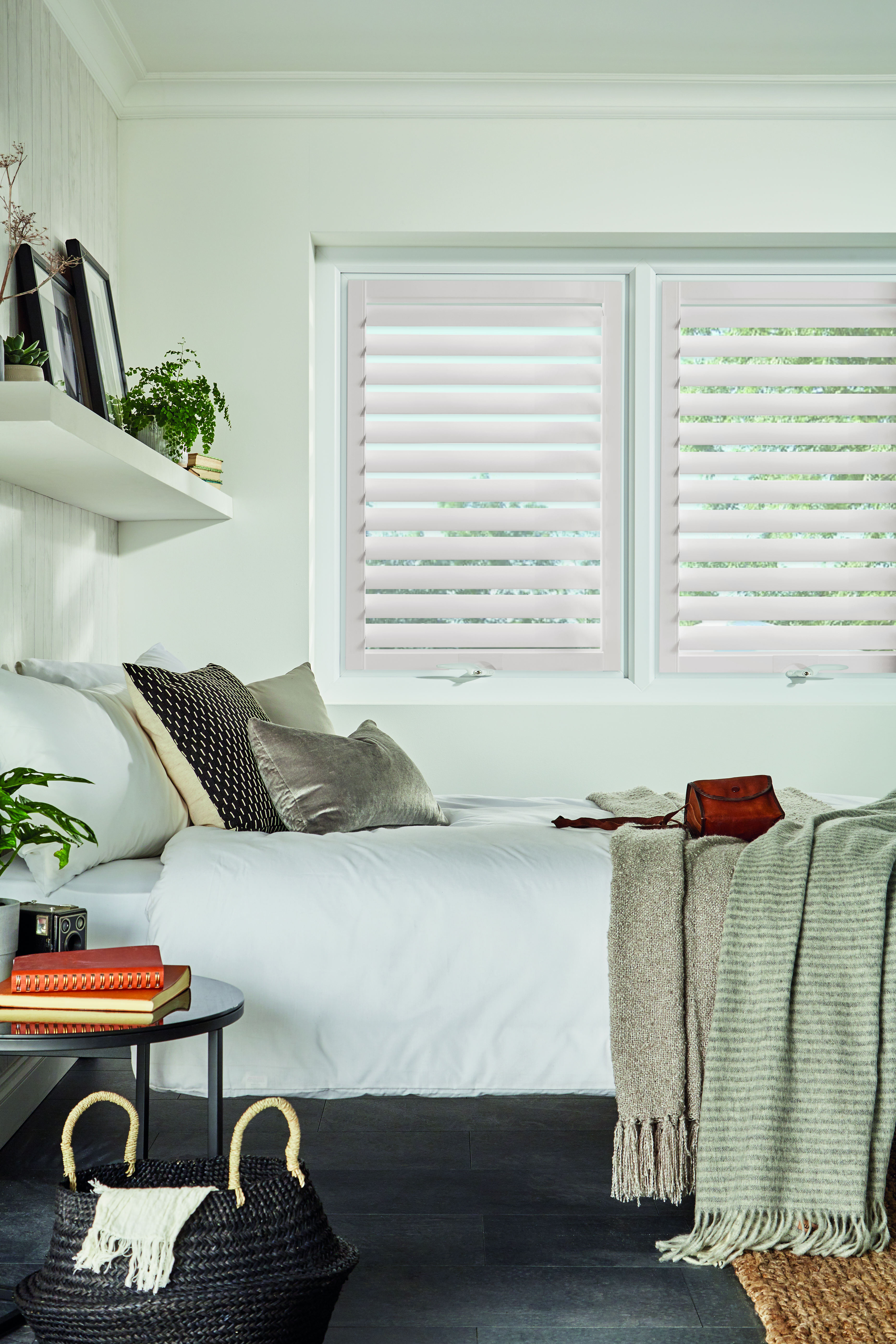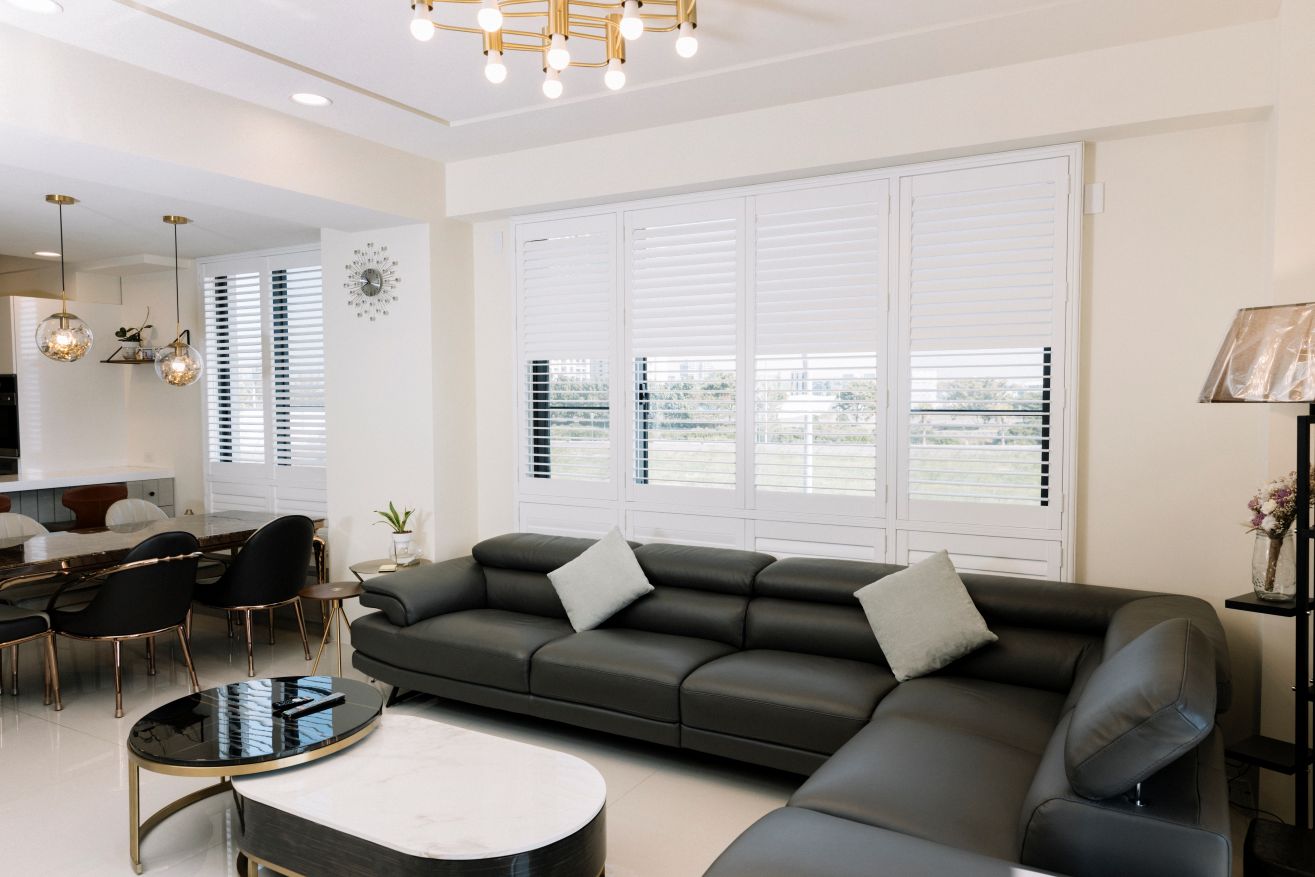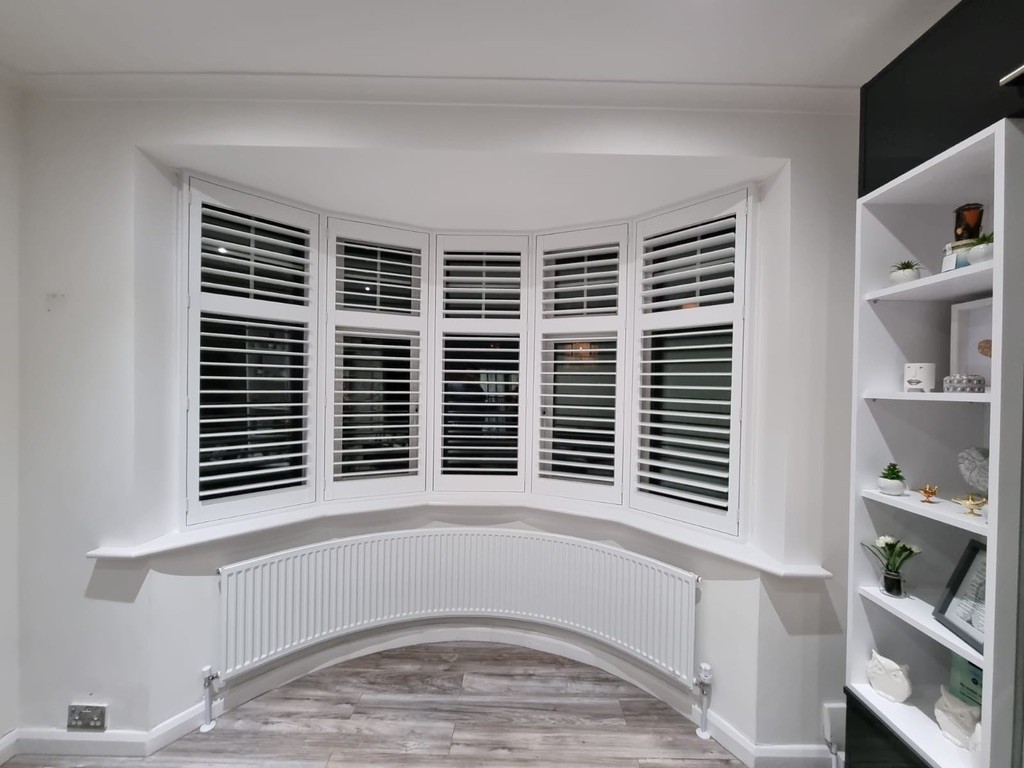
Why planning permission is so often asked about for shutters
Planning permission anxiety is entirely understandable for owners of period and protected properties. In a conservation area or a listed building, the list of things that do require consent — roof alterations, extensions, window replacements, external cladding, even changes to boundary walls — creates a reasonable presumption that any improvement might need approval. The clarifying principle is straightforward: UK planning law governs the external appearance of buildings, not their internal configuration. Painting a room, fitting a new kitchen, installing a carpet, or hanging plantation shutters inside the window reveal — none of these things are subject to planning control because none of them change what a building looks like from outside.
Permitted development rights — the mechanism by which homeowners make many external improvements without a formal planning application — relate specifically to external works. Internal window treatments have never been part of this framework because they have never needed to be. For a thorough treatment of how plantation shutters fit within the broader context of improving a period property, our Victorian homes shutter guide covers the design and practical considerations in detail, including how shutters complement original period features rather than conflicting with them.
Conservation areas: what the rules actually cover
Conservation areas are designated under Section 69 of the Planning (Listed Buildings and Conservation Areas) Act 1990. The designation restricts specific categories of external development: replacing windows with different materials or profiles, adding external cladding, demolishing certain structures, and erecting satellite dishes or other external apparatus. The most commonly enforced restriction in London conservation areas is the replacement of original sash windows with uPVC alternatives, which has been subject to enforcement action across many historic residential streets. None of these restrictions touch internal window fittings in any way.
Fitting a plantation shutter inside the reveal of a sash window does not alter the sash window itself, changes nothing visible from outside, and makes no difference to the external character of the property. London boroughs with the highest concentration of conservation areas — Islington, Chelsea, Richmond, and Greenwich among them — are also the areas with the greatest density of fitted interior shutters, for the straightforward reason that the two do not conflict. Our Islington shutters page and Chelsea shutters page both reflect years of fitting shutters throughout these fully protected areas without any planning process arising.
Listed buildings: the genuinely nuanced position
Listed building consent is more rigorous than conservation area designation, and it does extend to some internal works — specifically those that affect the character of the building as a building of special architectural or historic interest. This is where the question of shutters deserves careful examination, even if the practical conclusion remains the same.
The governing question for any internal work in a listed building is whether it affects significant historic fabric or materially alters the architectural character of the interior. For plantation shutters, the answer is almost always no. Fixings are minimal and reversible; the shutters sit within the existing reveal geometry without replacing or modifying it; they do not affect original plasterwork, cornicing, timber floors, or structural elements. Many Georgian and early Victorian properties were originally built with internal shutter boxes — recessed cavities within the window reveals designed to house folding timber shutters. Fitting modern shutters in a property with original shutter boxes intact is a restoration rather than an alteration. Our period homes shutter guide covers in detail the configurations that work best within Georgian and Victorian window reveals.
If you have a specific concern about a Grade I or starred Grade II listed building, the correct route is informal pre-application advice from the local planning authority's conservation officer. This is free, takes no more than a brief email, and in practice almost always results in confirmation that internal shutters do not require consent. Local authorities do not have the resources to regulate reversible, non-structural internal fittings that leave the fabric of the building unchanged.
Article 4 Directions: stricter designation, same answer
Article 4 Directions allow local planning authorities to withdraw specific permitted development rights that would otherwise apply — used primarily in conservation areas to prevent incremental changes such as uPVC window replacement or the removal of original features. Many of the most historic residential streets in inner London sit within Article 4 Direction areas, requiring householders to obtain prior approval for works that in an ordinary street would need no consent at all. Despite their additional stringency, Article 4 Directions remain focused exclusively on external works. Internal fittings — plantation shutters, internal blinds, internal glazing modifications — are simply outside their scope. Homeowners in Article 4 areas can fit internal shutters without any additional process, consultation, or formal notification.
Exterior shutters: the one genuine exception
It is worth being clear about the one category where planning consent can genuinely be required: exterior shutters mounted on the outside face of the building. These are a fundamentally different product from interior plantation shutters — typically found on commercial properties, security-rated installations, or as a specific architectural feature on some modern residential buildings. Because they alter the external appearance of the building, exterior shutters are subject to planning control in a way that interior shutters are not.
In conservation areas, exterior shutters will typically require prior approval; on listed buildings, listed building consent is likely to be needed; on standard non-designated properties, whether they fall within permitted development depends on the specific design and materials. For the interior plantation shutters that represent the vast majority of domestic shutter projects in the UK — full-height shutters, bay window shutters, and any other style fitted internally within the window reveal — this distinction is simply not relevant.
Leasehold properties: a separate and important consideration
For homeowners in leasehold properties — a large proportion of London flats, maisonettes, and converted period houses — planning permission is not the only approval to consider before fitting shutters. Lease terms govern what leaseholders may do within their property, and some leases require the freeholder's or managing agent's consent for alterations. This is a contractual matter between leaseholder and freeholder, entirely separate from planning law; it is governed by the terms of the lease rather than by any statutory planning framework.
Most leases permit internal non-structural fittings without formal consent, or with a simple notification. The practical approach is to check your specific lease and, if it requires consent for alterations, contact your managing agent with a brief description of what you intend to install. Mimeo composite shutters and Endura hardwood shutters are both fitted with minimal, reversible fixings — a point that consistently reassures managing agents and freeholders that the installation involves no structural interference and no lasting alteration to the fabric of the property.
Confirming the position and getting started
For the great majority of UK homeowners fitting interior plantation shutters — in standard residential properties, conservation areas, Article 4 areas, or listed buildings — no planning permission, listed building consent, or formal notification of any kind is required. The practical checklist before ordering is simple: confirm your lease terms if you are in a leasehold property; seek informal advice from the local conservation officer if you have a specific concern about a particularly significant listed building; and proceed with confidence in all other cases.
Supply-and-fit prices start from £380 per m² for Mimeo composite shutters and from £550 per m² for Endura hardwood shutters, with lead times of 4–6 weeks for composite and 6–8 weeks for hardwood from confirmed order to installation. For properties with arched reveals, angled tops, or other unusual window openings, our shaped shutters guide covers the bespoke options available regardless of planning designation. Browse the full range in the shutters gallery, and book a free home survey to receive a fixed written quote — the specialist will advise on any property-specific considerations at no cost or obligation.