The core difference
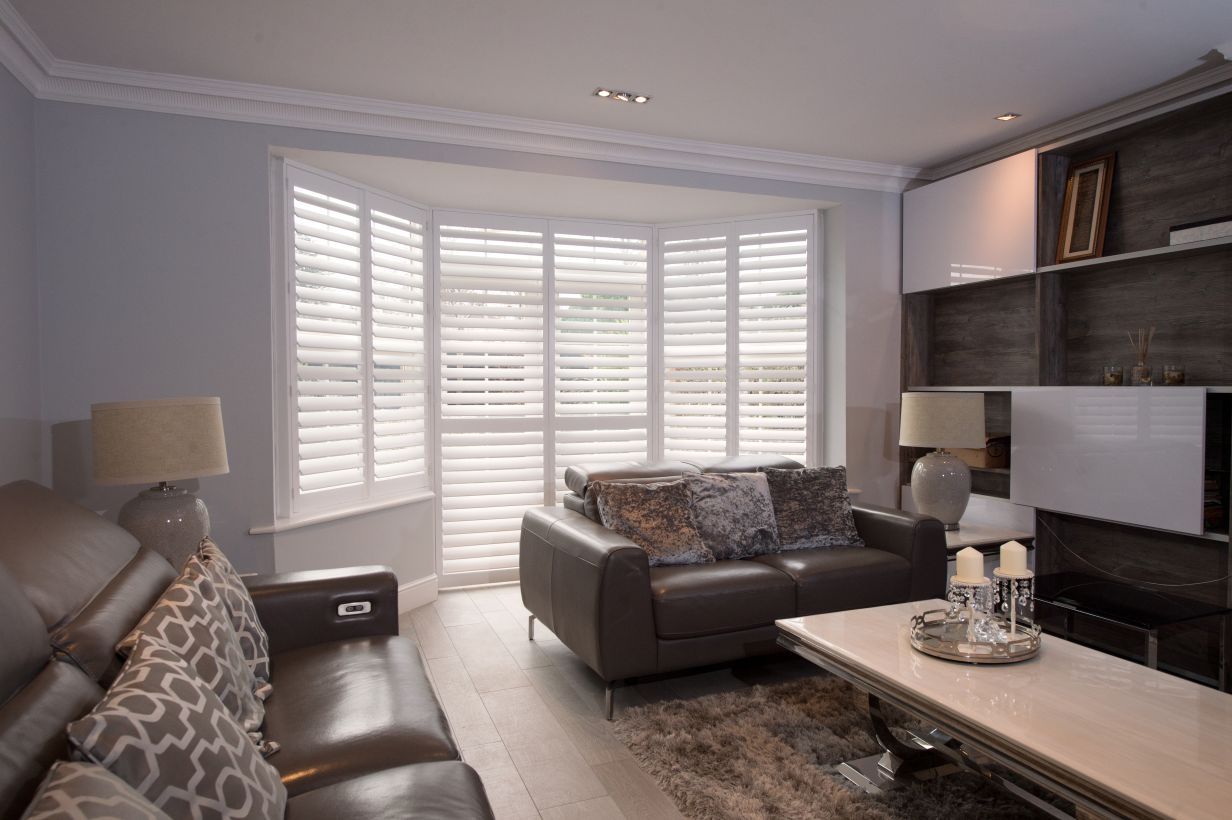
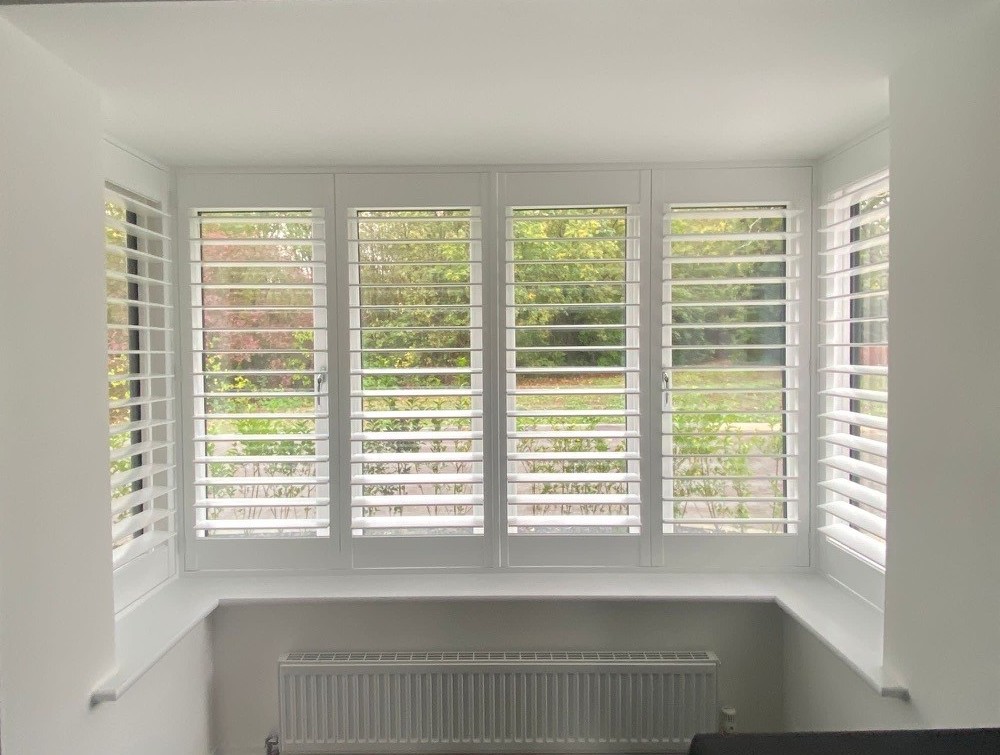
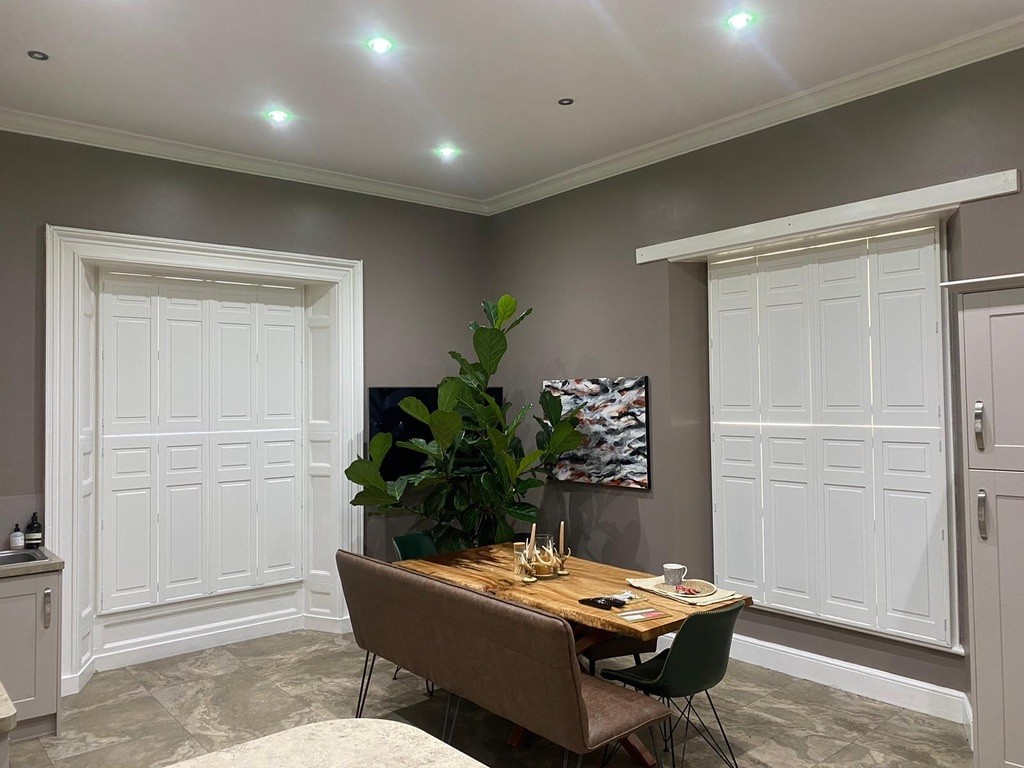
Full-height shutters cover the whole window with one panel per side. A mid-rail (a horizontal bar) divides the louvres so you can tilt the top and bottom independently — but the panel itself still opens as one piece.
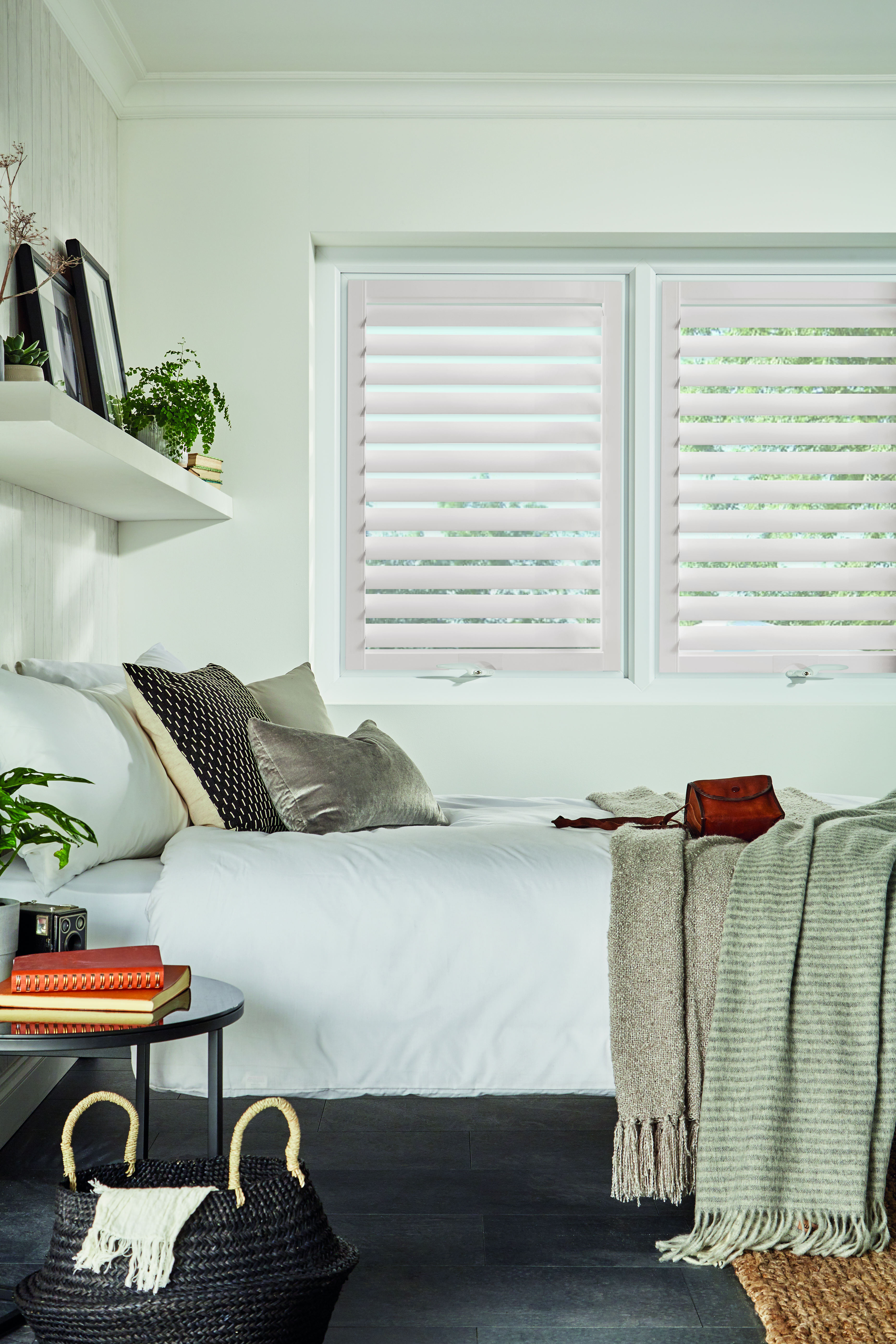
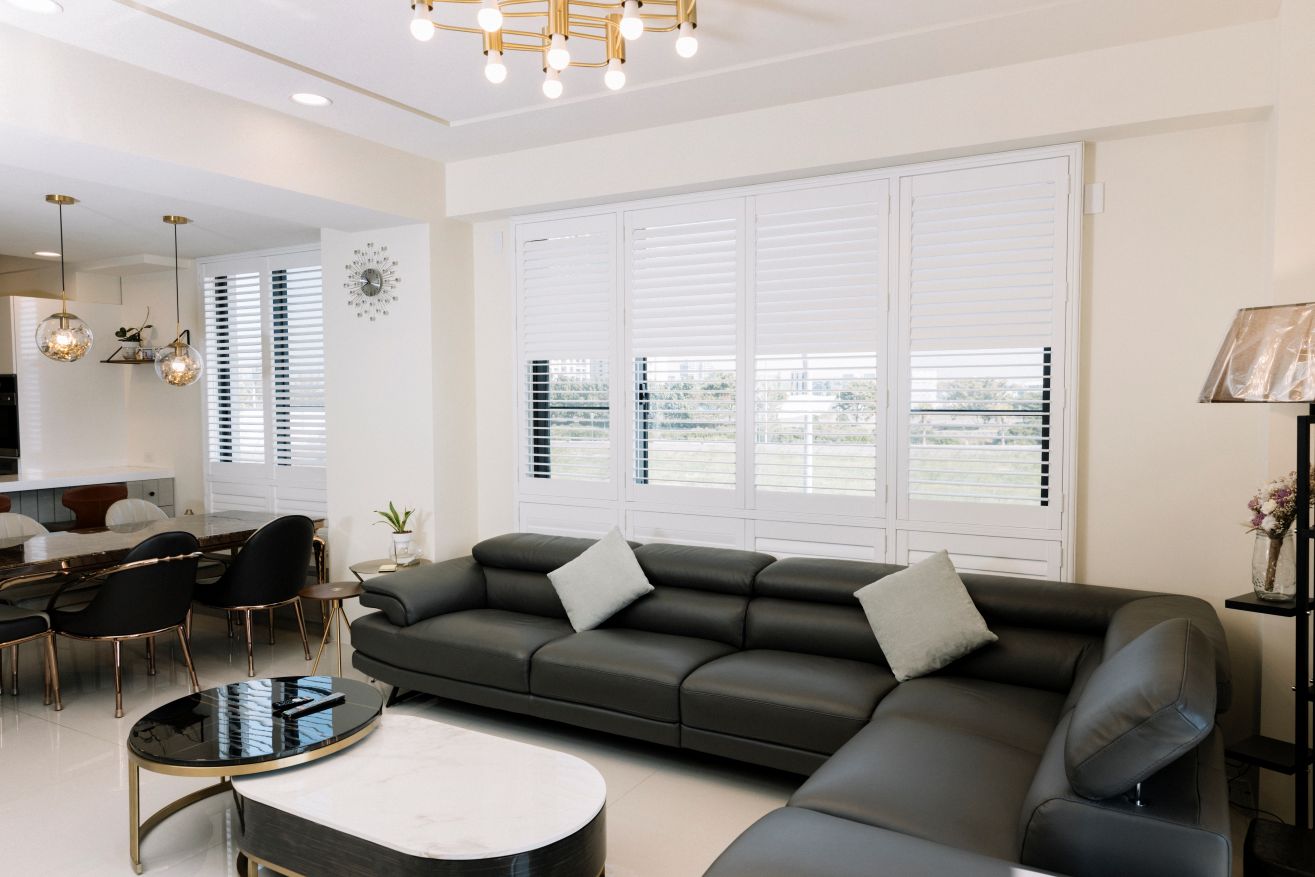
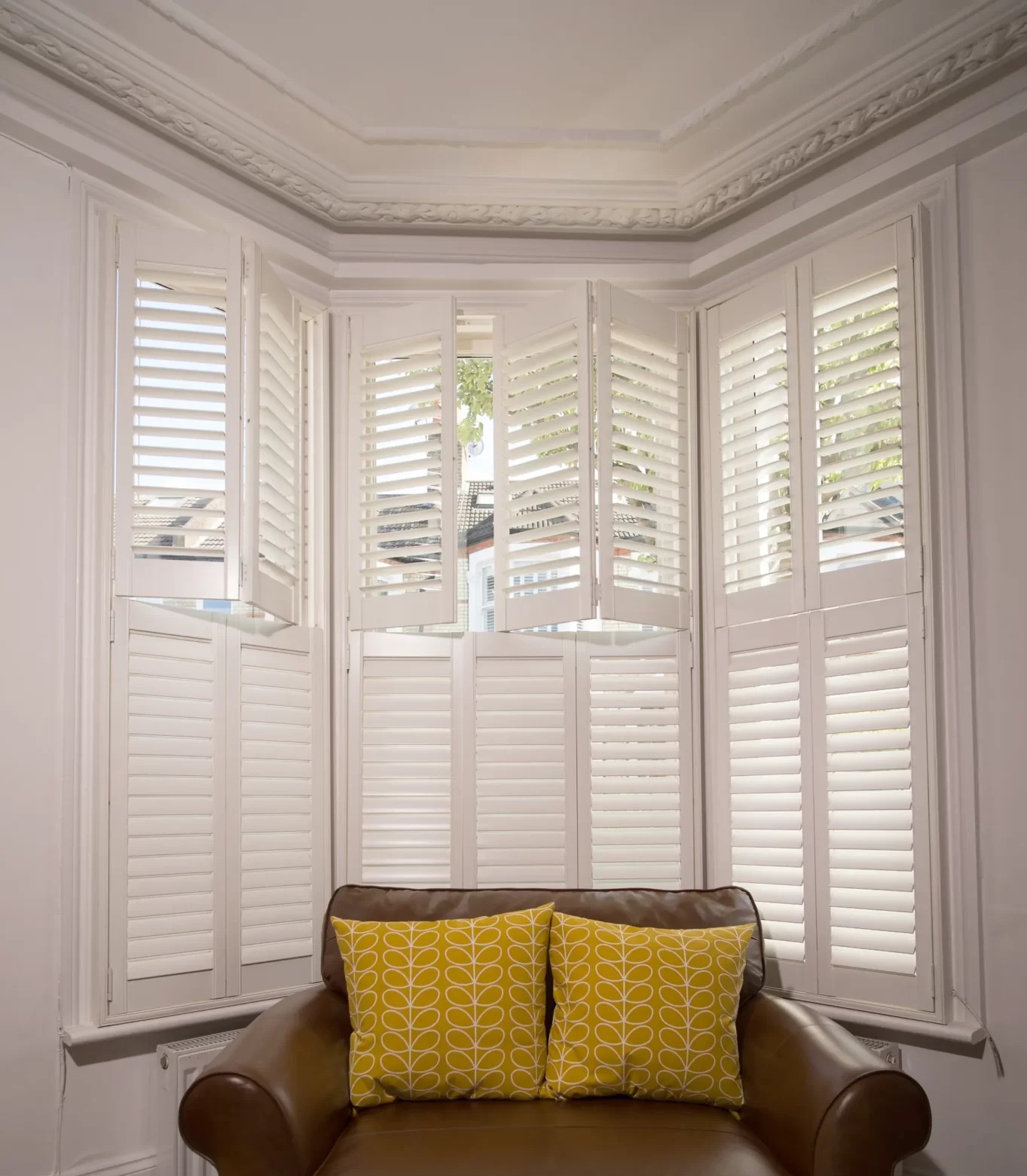
Tier-on-tier shutters split the panel itself in two. The top half and bottom half open separately. You can open just the top, just the bottom, or both at once.
When full-height wins
Full-height is the default choice for most UK rooms because it is the cleanest, most traditional look. Choose full-height for:
- Living rooms, dining rooms, and reception rooms
- Period homes where authentic appearance matters
- Tall windows where you want one continuous panel
- Rooms where you do not need split top/bottom access
When tier-on-tier wins
Tier-on-tier is more flexible at the cost of slightly more visible hardware. It is the right call when:
- A bedroom where you want the bottom closed for privacy and the top open to wake to natural light
- A bathroom where you want to open the top for ventilation but keep the bottom shut
- Ground-floor street-facing rooms where passers-by can see in below the lower-louvre line
- Any room where someone tall might want to lean out the open top half
Cost difference
Tier-on-tier has more frame, more hinges, and more hardware than a full-height panel of the same window. Expect roughly 10–15% more in supply-and-fit pricing.
For a typical 1.2 m × 1.4 m window, that works out to around £80–£140 extra.
A simple decision shortcut
Ask one question: do you ever want the top half of this window open while the bottom stays shut? If yes, tier-on-tier earns its money. If no, full-height is the cleaner, slightly cheaper choice.
Both styles work in any of our ranges — see Mimeo composite, Endura hardwood, or Dura aluminium. Or book a free survey and the surveyor will recommend the best style room by room.