Where the name comes from
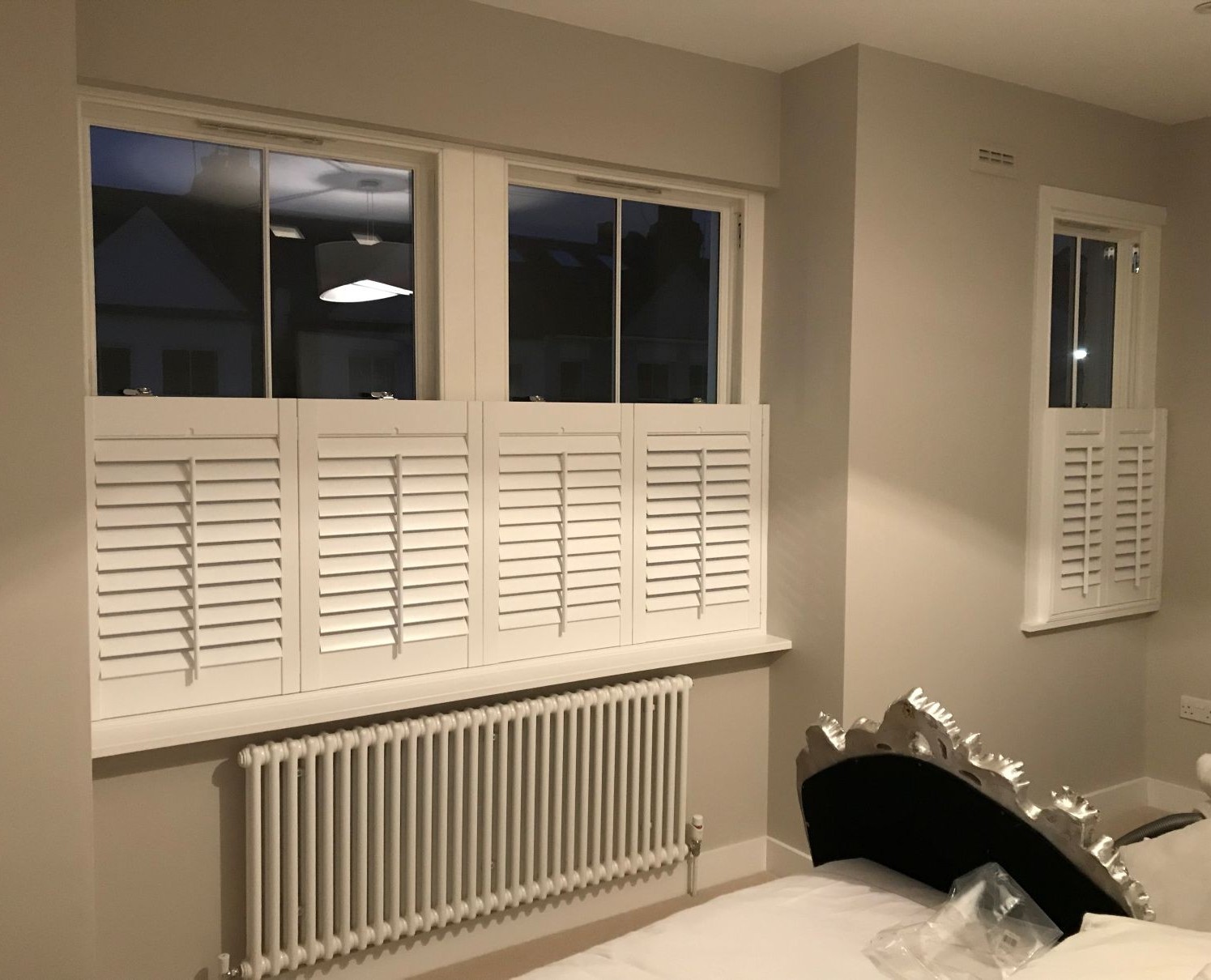
The style is borrowed from continental cafés — half-height shutters on street-facing windows give patrons privacy while keeping the upper half open for light and view. The look has carried over to UK homes, especially on terraced streets and in towns where pavements run close to the building line.
See examples in our café-style shutters range.
When café-style is the right call
It earns its place in three specific situations:
- Ground-floor street-facing rooms. Passers-by see only above shoulder height — the lower shutter blocks the rest.
- Kitchen sinks under windows. You can wash up without being on display while keeping the room bright.
- Ground-floor bathrooms. The frosted glass below the shutter line is no longer needed — the shutter does the privacy job.
When it is the wrong call
Café-style is not a universal style. Avoid it where:
- You want full blackout (you would need a different style upstairs anyway)
- The window is on the upper floor where privacy below is irrelevant
- The room faces a private garden — you are paying for privacy you do not need
- You want the most traditional period look — full-height suits Victorian and Edwardian rooms better
Cost compared with full-window shutters
Café-style covers roughly half the window, so material and labour are reduced. Expect 30–40% less than a full-height install on the same window. For a typical 1.2 m × 1.4 m window, that works out to around £200–£350 saved.
You can always add an upper-half shutter later if your privacy needs change — frames are designed to allow a future upgrade to tier-on-tier.
Materials that suit café-style
Most café-style installs in the UK use Mimeo composite for its waterproof properties (kitchens and bathrooms are the most common installs) and clean white finish. Hardwood works well in living rooms and front-of-house windows where the look matters more than waterproofing.